
peter @aimyskin.com
+86-18031361872
- All
- Product Name
- Product Keyword
- Product Model
- Product Summary
- Product Description
- Multi Field Search
Views: 120 Author: Site Editor Publish Time: 2026-01-31 Origin: Site


The growing popularity of massage robots has led to a revolution in personal wellness and rehabilitation technology. These innovative devices are designed to provide consistent, effective, and personalized massage experiences, making them an essential addition to many households and wellness centers. Massage robots are increasingly seen as reliable solutions for stress relief, muscle recovery, and relaxation, without the need for a professional therapist. However, with so many different models available in the market, selecting the right one can be challenging.
This article aims to highlight the top features to look for in a high-quality massage robot, ensuring that consumers choose a product that not only meets their therapeutic needs but also offers the best long-term value. Whether you’re looking for a way to de-stress after a long day, recover from physical activity, or enhance your overall wellness routine, the right massage robot can make a significant difference.
Massage robots have evolved from simple devices to highly advanced machines capable of replicating various professional massage techniques. These robots use different movements and patterns to target specific areas of the body, providing relief and promoting relaxation. A high-quality massage robot should offer multiple massage techniques, each designed for specific therapeutic purposes, such as deep tissue relief or gentle relaxation.
Massage robots typically replicate the following techniques:
Kneading: A back-and-forth movement that mimics the feeling of human hands pressing into the muscles. It helps reduce stiffness and tension in the muscles.
Tapping: Rhythmic, light impacts that simulate the sensation of fingers tapping on the skin. This technique is great for improving blood circulation and reducing stress.
Rolling: A smooth back-and-forth motion that rolls over the muscles. It is used to stretch and relax tight muscles.
Shiatsu: Applying deep pressure to specific acupressure points. This technique aims to restore energy flow and relieve muscle pain.
Vibration: Rapid, small movements that stimulate muscle relaxation and circulation.
The more techniques a massage robot offers, the more versatile it becomes. Different body parts require different types of treatment, and a single technique may not be effective for every muscle group. For example, deep tissue massage is more effective for tight muscles, while lighter tapping is ideal for relieving stress.
Technique | Description | Benefits |
Kneading | Circular back-and-forth motion, imitating human hands. | Relieves muscle stiffness and tension, particularly in the neck and back. |
Tapping | Light, rhythmic taps on the skin. | Increases blood circulation, reduces stress, and stimulates nerve endings. |
Rolling | Smooth back-and-forth motion over muscles. | Helps loosen tight muscles, improve mobility, and relieve pain. |
Shiatsu | Deep pressure on specific energy points (acupressure). | Aims to relieve muscle and nerve pain, focusing on restoring energy. |
Vibration | Rapid, small movements that stimulate muscle relaxation. | Improves circulation, reduces muscle soreness, and promotes recovery. |
Artificial Intelligence (AI) integration is one of the standout features that differentiate high-quality massage robots from basic models. AI allows the robot to adapt its massage techniques based on user preferences and real-time feedback, creating a personalized experience every time.
AI enhances the massage experience by:
Learning User Preferences: Over time, AI-powered robots can learn which types of massage, pressure, and speed the user prefers. The robot adjusts its settings to replicate those preferences without needing manual input each time.
Analyzing Pressure Points: AI systems can analyze muscle tension and focus on areas that require more attention. For example, if a user is experiencing tightness in their shoulders, the AI can increase pressure in that specific area.
Real-Time Adjustments: AI enables the robot to make real-time adjustments based on how the user feels during the session. If the user experiences discomfort, the robot can modify the massage intensity or technique instantly.
Personalization is key to an effective massage. With AI, the massage robot can adapt its movements, speed, and pressure according to the unique needs of the user, ensuring a therapeutic experience that is consistently aligned with the user’s body condition and comfort level.
The design and build quality of a massage robot directly impact both its comfort and durability. A high-quality massage robot should be ergonomically designed to ensure that users can enjoy a comfortable and relaxing massage for extended periods.
Ergonomics: The robot’s design should be easy to use, with adjustable settings and features that accommodate various body types. Its structure should allow it to reach key areas like the shoulders, lower back, and legs, while ensuring that users maintain a relaxed posture throughout the session.
Durability: The materials used in the construction of the robot should be sturdy and capable of withstanding regular use. High-quality materials will prevent wear and tear, ensuring that the robot remains effective over time.
Look for massage robots that are lightweight and easy to maneuver. Adjustable parts, such as extendable arms or adjustable massage heads, are also crucial for targeting hard-to-reach areas. Additionally, the materials used should be long-lasting, ensuring that the robot can provide high-performance massages for many years.
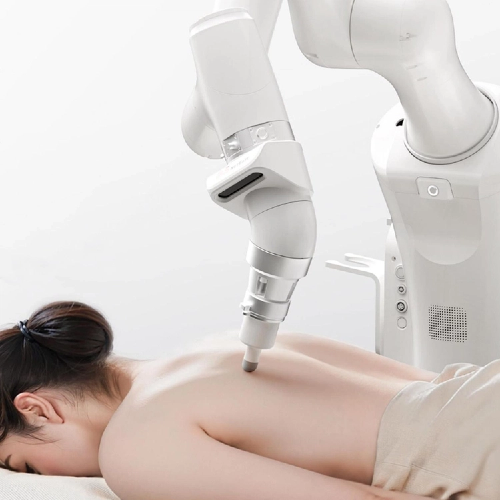
The ability to adjust settings such as pressure, speed, and focus areas is crucial for a high-quality massage robot. Every individual has different preferences and needs when it comes to massage therapy. A robot that offers customizable options allows users to fine-tune their massage experience for optimal results.
Adjustable Pressure: Look for robots that offer a range of pressure options, from light relaxation to deep tissue relief.
Variable Speed: The ability to adjust the speed of the massage allows users to choose between a quick, invigorating massage or a slow, calming one.
Focus Area Selection: Some robots allow users to select specific areas of focus, such as the back, neck, or legs, so the robot can concentrate on those regions.
These customization features ensure that the massage robot can cater to the user's unique needs, providing a massage that’s just right for them.
Modern massage robots are equipped with sensor technology that enhances the precision of the massage. These sensors can detect muscle tension, body contours, and even monitor the user’s comfort levels during the session. The information gathered by the sensors is used to adjust the pressure, speed, and technique of the massage to ensure maximum effectiveness.
Sensor Type | Function | Benefits |
Pressure Sensors | Detect pressure levels on the body during the massage. | Ensures the robot applies the right amount of pressure for comfort and effectiveness. |
Body Contour Sensors | Map the shape of the body to guide massage movements. | Provides a more tailored massage experience based on the user’s body shape. |
Feedback Sensors | Monitor user feedback during the session. | Adjust the massage in real-time to ensure comfort and maximize therapeutic benefits. |
Sensors are vital for ensuring the robot provides an accurate, effective massage. They help avoid over-application of pressure or missed areas and guarantee that the massage is as personalized as possible.
One of the most overlooked features of a high-quality massage robot is its ability to operate quietly. Noisy massage robots can detract from the relaxation experience, making it difficult for users to fully unwind.
A well-designed robot should have mechanisms in place to reduce motor noise, such as soundproofing or noise-canceling technology. A quiet machine not only enhances the comfort of the massage but also creates a more peaceful environment, making the experience feel like a true spa treatment.
When choosing a massage robot, check for features like noise reduction modes or quieter motors. A quiet robot ensures that the massage session remains calming, with minimal disruption to the environment.
Massage robots with long battery lifeare particularly beneficial for users who prefer to enjoy uninterrupted massage sessions. A robot with long battery life ensures that users can complete a full massage session without needing to recharge mid-treatment.
Battery Capacity: A high-quality massage robot should have enough battery power to last for an entire massage session (typically 30 to 60 minutes, depending on the mode).
Fast Charging: Quick charging features are important for ensuring that users can continue their relaxation routine without long waits for the device to charge.
When selecting a high-quality massage robot, several features should be considered to ensure that the device provides an effective, comfortable, and customized massage experience. Look for advanced massage techniques, AI integration, ergonomic design, customizable settings, sensor technology, quiet operation, and long battery life to make sure your robot delivers optimal results every time.
As technology continues to advance, massage robots will only become more sophisticated, offering even more tailored solutions to users worldwide. Investing in a massage robot that incorporates these key features will ensure that you get the most out of your self-care routine, improving your physical health and overall well-being.
What are the most important features to look for in a massage robot?
The most important features include advanced massage techniques, AI integration for personalization, ergonomic design, customizable settings, sensor technology, and noise reduction for a quiet experience.
Can a massage robot replace professional massage therapy?
While a massage robot can provide significant therapeutic benefits, it may not fully replace the expertise of a professional massage therapist. However, it offers convenience and affordability for regular use.
How does AI improve the massage experience?
AI allows the massage robot to adapt to the user’s body shape and muscle tension, providing a more personalized and effective massage by adjusting pressure, speed, and focus areas based on real-time feedback.
Are massage robots easy to maintain?
Most high-quality massage robots are designed for easy maintenance. Look for robots with removable and washable parts, as well as durable construction for long-term use.


