
peter @aimyskin.com
+86-18031361872
- All
- Product Name
- Product Keyword
- Product Model
- Product Summary
- Product Description
- Multi Field Search
Views: 151 Author: Site Editor Publish Time: 2026-07-06 Origin: Site


Non-invasive aesthetic treatments are experiencing explosive growth worldwide today. Adding body contouring to a service menu offers highly profitable opportunities for modern spas and slimming centers. You can attract new demographics while increasing revenue per hour. However, the market is currently flooded with countless devices of varying quality. This saturation makes it incredibly difficult for spa owners and clinic managers to separate verifiable clinical efficacy from aggressive marketing hype. Choosing the wrong equipment often leads to poor client results and wasted capital. This article provides a rigorous, business-focused framework to evaluate and shortlist the right aesthetic technology. You will learn how to align core modalities with specific client demands while navigating complex regulatory compliance. We will guide you through executing clinical demos to ensure you select a machine delivering consistent, safe outcomes.
Align tech with demographics: Choose modalities (muscle toning vs. fat reduction) based on your existing client base's primary complaints.
Factor in operational costs: Look beyond the sticker price to evaluate consumables, maintenance, and warranty constraints.
Prioritize compliance: Verify local regulations and insurance requirements before purchasing any body shaping device.
Vendor support is a feature: Post-purchase training and technical support are critical for safe, profitable operations.
You must clearly define your operational needs before evaluating any beauty salon equipment. Facilities often purchase trendy devices without analyzing their actual client base. This mismatch causes expensive machines to sit idle in treatment rooms. A strategic approach prevents this outcome. You should analyze demand, operational bandwidth, and physical infrastructure.
Your existing clientele holds the key to your next successful investment. You need to identify their primary physical complaints. Different demographics seek entirely different aesthetic outcomes. You can categorize client needs into several core groups. Reviewing consultation notes helps pinpoint these trends accurately.
Weight Loss Support: Clients actively losing weight often seek treatments targeting large-volume fat reduction. They want visible circumference reduction around the abdomen or thighs.
Postpartum Recovery: New mothers frequently request targeted skin tightening and mild fat reduction. They prioritize gentle treatments restoring pre-pregnancy contours safely.
Athletic Muscle Definition: Fitness enthusiasts look for muscle toning enhancements. They struggle to sculpt specific areas despite rigorous gym routines.
Skin Tightening: Older demographics usually prioritize dermal firming over fat loss. They want to address laxity on the arms, neck, or knees.
Staff capacity dictates which machine style suits your business best. You must evaluate how much time your team can dedicate to a single client. Hands-free devices scale much easier within busy practices. Staff members attach the applicators and leave the room. They can then perform facials or consult other clients simultaneously. This approach maximizes clinic revenue per hour.
Conversely, manual devices require constant practitioner engagement. An esthetician must physically glide the handpiece over the client for the entire session. Manual treatments foster stronger client-practitioner relationships. However, they limit the number of daily appointments your clinic can handle. You must balance potential revenue against your current payroll capacity.
Physical clinic constraints routinely ruin equipment integration plans. Commercial-grade aesthetic machines demand specific environmental conditions. You must measure your treatment rooms carefully. Large, multifunctional units require significant floor space. Practitioners need room to maneuver around the client comfortably.
Electrical requirements represent another major hurdle. High-powered machines often draw substantial current. You might need dedicated 220V outlets installed by a licensed electrician. Standard wall sockets frequently fail to support advanced laser or radiofrequency devices. Ventilation also matters immensely. Heat-generating devices require cool, well-ventilated spaces to prevent internal overheating.
Best Practice: Always request the exact physical dimensions and electrical specifications from the manufacturer. Measure your doorways to ensure the crated machine can actually enter your building.
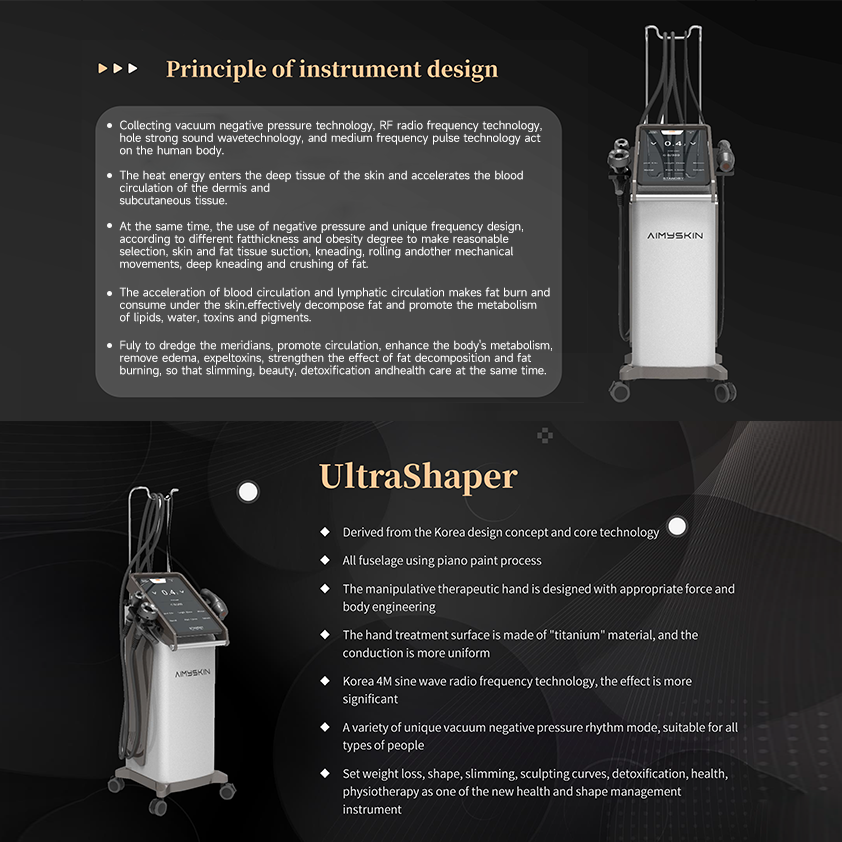
Understanding the underlying technology is paramount when selecting a body sculpting machine. Distinct modalities achieve entirely different physiological responses. You must match the technology to the client outcomes identified earlier.
This technology revolutionizes how clinics approach body contouring. It shifts the focus from mere fat reduction to active muscle building. The modern EMS body sculpting machine uses high-intensity electromagnetic energy. This energy penetrates the skin to induce supramaximal muscle contractions. These intense contractions force muscle tissue to adapt rapidly. The process builds muscle density while increasing localized fat metabolism.
High demand exists for fitness-enhancing aesthetics today. Clients want strong abdomens and lifted glutes without spending hours exercising. EMS fits perfectly into this business model. Most EMS systems operate entirely hands-free. You simply strap the applicators onto the targeted muscle group. Staff members can monitor progress remotely, freeing them to generate parallel revenue elsewhere.
Many clinics combine these two powerful modalities into a single comprehensive treatment plan. Ultrasound cavitation disrupts stubborn fat cell membranes. It uses specific low-frequency sound waves to create micro-bubbles inside fat tissue. These bubbles implode, breaking down the fat for lymphatic removal. Meanwhile, radiofrequency (RF) uses targeted thermal energy. This heat stimulates deep dermal layers to produce new collagen and elastin.
You will often find these technologies combined into a multifunctional slimming machine. This dual approach proves highly effective as a cellulite removal machine. It smooths out dimpled skin while tightening tissue after fat loss. However, these systems require active, hands-on application. Your esthetician must continuously move the probe to prevent patient discomfort and ensure even results.
These modalities trigger apoptosis, or programmed cell death, in adipose tissue. Cryolipolysis targets stubborn fat pockets using controlled freezing temperatures. Fat cells freeze at higher temperatures than surrounding tissue. This allows practitioners to destroy fat without damaging the skin. Laser lipolysis achieves similar destruction using controlled heating. Lasers penetrate the dermal layers to melt underlying fat cells.
These treatments represent highly recognizable categories in the aesthetic market. Clients often request them by name. They excel at reducing localized fat pockets on the flanks or chin. However, business owners must model their finances carefully here. These devices frequently require expensive ongoing consumables. Applicators, protective gel pads, and proprietary software tokens eat into your profit margins quickly.
Technology Modality | Primary Physiological Outcome | Operational Style | Ideal Client Profile |
|---|---|---|---|
EMS (Electromagnetic) | Muscle hypertrophy & fat metabolism | Hands-free | Athletic toning, core strengthening |
Ultrasound & RF | Fat disruption & dermal tightening | Manual / Active | Cellulite reduction, loose skin |
Cryolipolysis | Localized fat cell death (freezing) | Hands-free | Stubborn, pinchable fat pockets |
Laser Lipolysis | Localized fat cell death (heating) | Hands-free | Dense fat pockets, slight tightening |
You need a systematic method to filter through hundreds of equipment vendors. Relying on glossy brochures invites disastrous purchasing decisions. Implementing a strict four-point evaluation framework protects your capital. It ensures the chosen body shaping device delivers consistent clinical and financial results.
Never trust vendors making exaggerated claims about instant transformations. True physiological changes take weeks to manifest fully. You must demand verifiable clinical data. Ask representatives for peer-reviewed case studies published in reputable medical journals. Review their clinical white papers carefully.
You should also insist on seeing unfiltered before-and-after portfolios. Look for consistent lighting, identical patient positioning, and realistic timelines between photos. If the results look overly photoshopped, eliminate that vendor immediately. Trustworthy manufacturers proudly share detailed clinical protocols alongside their photographic evidence.
Looking only at the initial sticker price guarantees financial miscalculations. You must calculate the true breakeven point accurately. Factor the device cost into your spreadsheet first. Then, add all per-treatment consumable costs. Gel pads, applicator liners, and specialized serums add up quickly.
Annual maintenance contracts also impact your bottom line heavily. Understand what preventative maintenance costs each year. If you finance the equipment, factor the interest rates into your profitability model. You want a machine generating pure profit within the first twelve months of operation.
Common Mistake: Ignoring shipping fees, installation charges, and mandatory staff training costs when calculating initial equipment investments.
Aesthestic devices eventually break down. How the manufacturer responds determines your operational stability. You must assess the Service Level Agreement (SLA) before signing any contract. A cheap machine becomes a massive liability if replacement parts take weeks to arrive.
Ask specific questions about their service infrastructure. Do they employ local technicians? Do they provide loaner machines during extensive repairs? You need a comprehensive warranty covering parts and labor for at least one year. Extended warranties often provide excellent peace of mind for high-traffic clinics.
Aesthetic technology evolves at a staggering pace. You want equipment capable of growing alongside industry advancements. Evaluate if the chosen device allows for simple software updates over time.
Some advanced platforms accept new applicator attachments. You can buy the base unit now and add specialized handpieces later. This modular approach prevents early technological obsolescence. It keeps your service menu fresh without requiring entirely new machine purchases every few years.
Evaluation Pillar | Required Documentation / Action | Dealbreaker / Red Flag |
|---|---|---|
Clinical Efficacy | Peer-reviewed studies, raw B&A photos | Promises of "instant" fat loss |
Lifetime Costs | Consumables list, financing terms | Hidden software unlock fees |
Manufacturer Support | Written SLA, local technician roster | Refusal to offer loaner units |
Scalability | Modular design specs, update history | Closed-loop, outdated operating systems |
Introducing new technology introduces new liabilities. Regulatory compliance must lead your implementation strategy. Ignoring safety protocols risks severe legal consequences and permanent clinic closure. You must navigate several bureaucratic layers carefully.
Governments strictly regulate aesthetic technology. You must differentiate between medical-grade and esthetic-grade devices immediately. Medical-grade equipment usually penetrates deeper tissues and carries higher risks. Esthetic-grade machines generally offer superficial, non-invasive treatments.
Understand the critical difference between FDA-cleared and FDA-approved nuances. FDA-cleared simply means the device is substantially equivalent to another existing device. FDA-approved requires rigorous clinical trials proving safety and efficacy. Always request the exact regulatory classification certificates for your specific region (like a CE mark in Europe) before paying a deposit.
Possessing the machine does not automatically grant you the right to use it. You must verify regional board regulations regarding operator licensing. State laws dictate exactly who can fire a laser or apply deep radiofrequency.
Some jurisdictions allow basic estheticians to operate cavitation devices. Others require registered nurses or physician assistants to perform these procedures. Determine whether your facility needs a Medical Director's formal oversight. Operating outside your designated scope of practice invalidates your business licenses rapidly.
Your current insurance policy likely excludes new technological modalities. You must update your malpractice and general liability policies immediately. Contact your insurance broker before introducing the new machine to the clinic floor.
Detail the exact make, model, and regulatory classification to the underwriter. They will adjust your premiums based on the specific risks associated with that technology. Failing to declare new equipment leaves you completely vulnerable during client injury lawsuits.
Technology only performs as well as the operator allows. You must establish rigorous standard operating procedures (SOPs) for every staff member. These protocols ensure consistent results while mitigating extreme liability.
Strict contraindication screening represents the most critical SOP step. Certain conditions make body sculpting incredibly dangerous. Your intake forms must screen for pacemakers, pregnancy, and metallic implants. Patients with active lymphatic disorders or severe uncontrolled diabetes must also be excluded. Train your staff to deny treatment confidently when red flags appear on intake forms.
Theory transitions into practice during the vendor selection phase. You must aggressively vet suppliers to find reliable partners. A clinical demonstration separates robust machinery from flimsy plastic casings.
Start by compiling a broad list of potential suppliers. You should attend trade shows, read industry forums, and consult peers. Narrow this initial list down to two or three viable candidates. Discard any company lacking transparent clinical data or responsive communication. If a sales representative takes three days to answer a basic email, their technical support team will likely perform worse.
You must maintain a highly skeptical mindset during the clinical demonstration. Do not let the salesperson dictate the entire narrative. Take control of the session to evaluate the equipment thoroughly.
Test the device on yourself: Experience the treatment firsthand. Gauge the comfort levels, noise output, and immediate physical sensations.
Involve your lead esthetician: They will operate the machine daily. Ask them to evaluate the maneuverability and weight of the applicators.
Evaluate the UI/UX: Interact with the software interface. The menus must be intuitive for new hires. Complex, confusing screens lead to dangerous operational errors.
Assess cord ergonomics: Check the length and flexibility of the umbilical cords connecting the handpieces. Short cords severely restrict practitioner movement around the treatment bed.
Certain vendor behaviors indicate future business complications. High-pressure sales tactics are major red flags. If a representative demands an immediate signature to secure a "special discount," walk away. Reputable companies allow you time to review contracts.
Listen closely to how they discuss contraindications. A trustworthy vendor clearly explains who should not receive the treatment. Evasiveness regarding ongoing maintenance schedules or consumable restock policies also signals a deceitful partnership.
Negotiation extends far beyond the base equipment cost. You must secure comprehensive support packages before finalizing the procurement. Negotiate extensive marketing support into the final contract. Request high-resolution digital assets, printed brochures, and social media templates.
Demand thorough, multi-day training materials for your staff. Ensure the contract includes provisions for retraining new hires later in the year. Finally, push for extended warranties or complimentary preventative maintenance visits to protect your long-term investment.
Adding advanced aesthetic technology to your facility transforms your revenue potential significantly. However, successful integration relies equally on verified clinical efficacy and a sound operational plan. You must evaluate your client demographics carefully before selecting any specific modality. Do not let flashy marketing campaigns distract you from analyzing verifiable data and ongoing consumable expenses.
Encourage your decision-making team to prioritize vendor transparency, staff training, and rigorous safety protocols over finding the lowest upfront price. Execute skeptical clinical demos and establish strict operating procedures. By following this comprehensive framework, you will choose reliable equipment that delivers exceptional patient outcomes and drives sustained clinic profitability.
A: Most well-managed clinics aim for a 6 to 12-month breakeven target. This timeline varies heavily based on your daily client volume and specific pricing models. You must also subtract per-treatment consumable costs and staff wages from your gross revenue to calculate this accurately. High-demand, hands-free machines often achieve faster ROI due to parallel booking capabilities.
A: This depends entirely on your local regulatory board. Regulations vary strictly by local jurisdiction and the exact classification of the device. Some regions allow licensed estheticians to operate non-invasive EMS devices independently. Other states mandate formal oversight by a registered medical professional. Always consult your specific state board before beginning operations.
A: Multifunctional units offer excellent versatility for startup clinics looking to provide various treatments with limited floor space. They maximize initial utility. However, specialized, single-modality units often deliver more targeted, powerful results. Established med-spas usually prefer dedicated devices to ensure maximum efficacy for highly specific client complaints.
A: Implement value-based pricing strategies instead of competing solely on cheap rates. You should bundle treatments into comprehensive packages of six to eight sessions. Never sell single sessions for body contouring. Bundling ensures clients complete the required protocol for visible results, which increases client satisfaction and boosts your overall lifetime value.


