
peter @aimyskin.com
+86-18031361872
- All
- Product Name
- Product Keyword
- Product Model
- Product Summary
- Product Description
- Multi Field Search
Views: 136 Author: Site Editor Publish Time: 2026-01-22 Origin: Site


In today's fast-paced world, people are constantly seeking ways to relax, de-stress, and recover from physical strain. One of the most innovative solutions to this problem is the use of massage robots. These advanced machines are becoming increasingly popular in both personal care and rehabilitation settings due to their ability to provide consistent, effective, and customizable massage experiences. With the rise of home wellness devices and self-care routines, massage robots have quickly emerged as an essential gadget for maintaining physical health without the need for a professional massage therapist.
But what exactly makes a massage robot so effective, and how does it work? In this article, we will explore the principle of a massage robot, its inner workings, and its numerous benefits. By the end of this article, you'll have a deeper understanding of how these machines help in promoting relaxation, healing, and overall well-being.
A massage robot is a mechanical device designed to simulate the actions of a human massage therapist. Using a combination of motors, sensors, and AI, these robots can apply pressure, move in specific patterns, and target certain muscle groups to relieve stress, improve circulation, and aid in muscle recovery. They represent an innovation in self-care technology, offering a hands-free solution for individuals looking for therapeutic treatments at home or in professional settings.
The typical massage robot consists of several key components:
Massage Heads: These are the parts that physically touch the body, mimicking human hands. These massage heads often have different shapes or textures, designed to imitate various massage techniques, such as kneading, tapping, or rolling.
Sensors: Used to detect body shape, pressure, and movement to adjust the massage accordingly. They ensure the massage is tailored to the user’s specific needs.
Motors: These control the movement of the robot's arms and massage heads, enabling them to replicate human movements and massage techniques.
Control System: Often AI-powered, it adjusts the pressure, speed, and intensity of the massage based on real-time feedback from the sensors, ensuring that the massage is always customized to the user’s needs.
Massage robots come in various designs, from compact models for home use to larger systems intended for professional settings like spas or rehabilitation centers. Each model may have unique features or additional settings, but the core purpose remains the same: to provide effective, comfortable massage therapy.
The rise of massage robots can be attributed to several factors:
Convenience: With just the push of a button, users can enjoy a relaxing or therapeutic massage at home without the need for a therapist. This is particularly appealing to people with busy lifestyles or those who prefer privacy and comfort while receiving a massage.
Affordability: Over time, massage robots can be more cost-effective than frequent visits to a professional massage therapist. While the initial investment in a massage robot might be high, it pays off in the long term, especially for individuals who require regular massage therapy.
Consistency: Unlike human therapists, massage robots provide a consistent and reliable massage every time. Whether the user seeks a light, relaxing massage or a deep tissue treatment, the robot can maintain the same intensity and pattern throughout the session.
Massage robots are powered by a combination of motors, actuators, and control systems. The motors drive the movement of the massage heads, which are designed to mimic various human massage techniques such as kneading, tapping, rolling, and vibration. These movements are typically more precise and controlled than a human therapist could provide.
The robot moves its massage heads across the user’s body in predetermined patterns. These movements are carefully calibrated to target different muscle groups, applying varying levels of pressure based on the user's needs. The massage head's action closely replicates the natural movements of a human hand, making the experience feel more authentic.
Most massage robots are equipped with adjustable arms or movable rollers that ensure flexibility in targeting specific body areas. These components help massage the body in a way that is comfortable and effective, mimicking the therapeutic techniques commonly used by human therapists.
Modern massage robots come equipped with sensors that are crucial for providing a customized massage. These sensors detect:
Pressure: Ensures the robot doesn't apply too much or too little pressure during the massage. If the pressure is too high, the user may experience discomfort, while insufficient pressure may fail to relieve tension.
Body Contours: These sensors map the body’s shape and determine where more focus is needed (e.g., back, shoulders, or legs). The robot's sensors can recognize the curvature of the body, allowing it to adjust its massage technique based on anatomical differences.
Movement Feedback: Ensures that the robot maintains a smooth, efficient, and effective motion throughout the session. The robot adjusts its movement to avoid overstimulation in sensitive areas or to focus more on regions that require deeper attention.
This feedback system is crucial in adapting the massage to the individual’s body. For example, if the sensor detects tension in a specific area, the robot can adjust the pressure or speed accordingly. This real-time feedback ensures that the user receives the most comfortable and effective massage possible.
The motor and control systems are responsible for the precise movements of the massage robot. Motors allow the device to replicate actions like:
Rolling: Moving the massage heads in a circular motion, which helps relax large muscle groups.
Kneading: Applying pressure in a back-and-forth motion, much like human hands. This is particularly useful for relieving tension in the neck, back, and shoulders.
Tapping: Delivering rhythmic, light impacts that simulate the tap or percussion massage technique, which is beneficial for stimulating blood circulation.
The control system, often AI-based, analyzes the feedback from the sensors and adjusts the robot's movements accordingly. This integration ensures that the robot delivers the most effective massage tailored to the user’s needs.
Artificial intelligence plays a critical role in improving the user experience by enabling the massage robot to:
Adapt to User Preferences: AI allows the robot to learn about the user’s preferences over time. It can adjust the pressure, speed, and massage technique based on past sessions. This means that with each use, the robot gets smarter and more in tune with what works best for the user.
Optimize Massage Patterns: Using AI algorithms, the robot can identify areas of tension in the body and focus on those areas, improving the overall effectiveness of the massage. AI-powered robots can adapt their massage techniques in real-time, making adjustments as they detect where the body is most tense or stiff.
Monitor User Comfort: AI can monitor the user’s feedback, adjusting the intensity of the massage in real-time to ensure comfort. If the user expresses discomfort, the robot can adjust the pressure, speed, or technique to suit their needs.
This integration makes the massage robot not only more intelligent but also more personalized, providing a therapeutic experience that is continually refined. AI brings a level of sophistication to massage robots that traditional mechanical systems simply cannot offer.
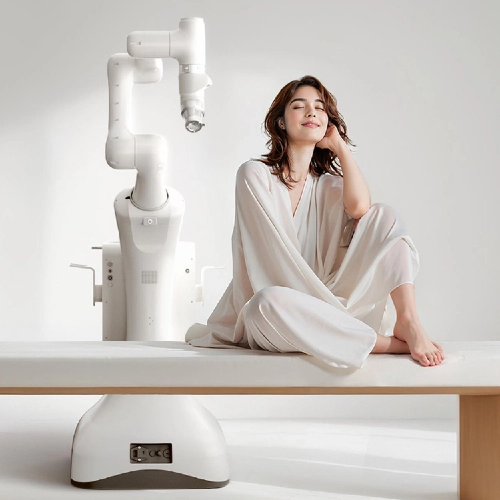
Massage robots typically replicate several traditional massage techniques. These techniques are carefully designed to target specific muscle groups and provide relief for various conditions such as muscle soreness, stress, and poor circulation.
Technique | Description | Benefits |
Kneading | A circular motion applied to the muscles. | Relieves muscle stiffness and tension, particularly in the neck and back. |
Tapping | Rhythmic, light impacts that mimic finger taps. | Increases blood circulation, reduces stress, and stimulates nerve endings. |
Rolling | A back-and-forth motion designed to mimic human hands. | Helps loosen tight muscles and relieve pain, improving mobility. |
Shiatsu | A technique applying deep pressure to specific points. | Focuses on acupressure, aiding in muscle and nerve relief by targeting energy points. |
Vibration | Small, rapid movements that stimulate muscle relaxation. | Improves circulation and reduces muscle soreness, often used in recovery. |
Each technique serves a different purpose, and the massage robot can be programmed to switch between them depending on the needs of the user. The robot’s sensors detect muscle stiffness, and the AI system adjusts the technique accordingly.
One of the key features of a massage robot is its ability to be customized to suit individual preferences. Most robots come with adjustable settings such as:
Pressure Control: Users can select from light to deep pressure, depending on the level of intensity they desire. This flexibility allows for a comfortable experience regardless of the user’s massage needs.
Speed Settings: Speed can be adjusted to deliver a faster or slower massage, allowing users to choose whether they want a quick, energizing massage or a slower, more relaxing one.
Focus Areas: Specific body parts can be targeted more intensely, such as the back, shoulders, or neck. Users can adjust the robot to focus on areas that need the most attention.
Customization options ensure that every user has a unique, comfortable, and effective massage experience. Whether for relaxation, pain relief, or muscle recovery, the ability to adjust the settings is a major advantage of massage robots over traditional methods.
Massage robots are highly effective in promoting relaxation. The gentle motions of the massage robot help reduce muscle tension, which in turn lowers stress levels. The convenience of using a robot at home makes it a practical alternative to going to a spa for stress-relieving massages. The robotic movements help users unwind after a long day, calming the nervous system and providing a soothing effect.
For athletes and individuals with chronic pain, massage robots can significantly aid in muscle recovery. By delivering consistent and targeted massage, these devices promote blood flow, reduce inflammation, and relieve muscle stiffness, accelerating recovery times. Whether recovering from intense physical activity or a recent injury, the massage robot provides a reliable solution to support rehabilitation efforts.
Massage robots offer the advantage of saving time. There is no need to book appointments or travel to a spa. The convenience of having a massage robot at home allows individuals to enjoy a therapeutic massage whenever needed, providing a flexible solution to their wellness needs. In a world where time is often limited, this convenience cannot be overstated.
Massage robots are revolutionizing personal care and rehabilitation by integrating cutting-edge mechanics, AI, and customizable features. These advanced devices provide a tailored, effective massage experience, making them essential tools for stress relief, muscle recovery, and overall relaxation. As technology evolves, massage robots continue to offer increasingly sophisticated solutions, enhancing well-being and health management for users worldwide.
At Xuanzun (Hebei) Medical Technology Co., Ltd., we are dedicated to advancing the future of wellness technology. Our innovative massage robots are designed to cater to the needs of every individual, ensuring a personalized and high-quality massage experience. Whether you're looking to relieve stress, recover from physical activity, or simply enjoy a relaxing massage, our products are engineered to deliver exceptional results. To learn more about our massage solutions and explore how we can help you achieve better health, feel free to contact us. We look forward to helping you enhance your wellness journey.
How does a massage robot differ from a manual massage?
Massage robots use automated, programmable movements to replicate human massage techniques. Unlike manual massage, which relies on a therapist's hands, robots offer consistent pressure and can be adjusted to meet individual preferences.
Can a massage robot provide deep tissue massage?
Yes, many massage robots are equipped with adjustable settings that allow them to provide deep tissue massage, depending on the user's pressure preferences.
Are massage robots safe to use?
Massage robots are generally safe when used correctly. However, it is essential to follow the manufacturer’s guidelines, avoid using the robot on injured or inflamed areas, and not overuse it.
Can I use a massage robot daily?
Yes, most massage robots are designed for daily use, but it is advisable to follow the recommended usage time to avoid overstimulation of muscles.


